Dog Paw: The Playful Typeface That Brings Charm to Any Design
There’s a certain magic in designs that feel approachable, friendly, and instantly recognizable. Whether you’re crafting a brand for a local pet groomer, designing an invitation for a friend’s dog-themed birthday party, or creating social media graphics for a community animal shelter, the visual tone you set matters deeply. That’s where a font like Dog Paw steps in—not as a mere collection of letters, but as a tool for storytelling and connection. This lovely dingbats font, with its distinctive paw-inspired motifs, offers a unique way to inject personality and warmth into a wide range of creative projects.
Understanding the Visual Appeal of a Dingbats Font
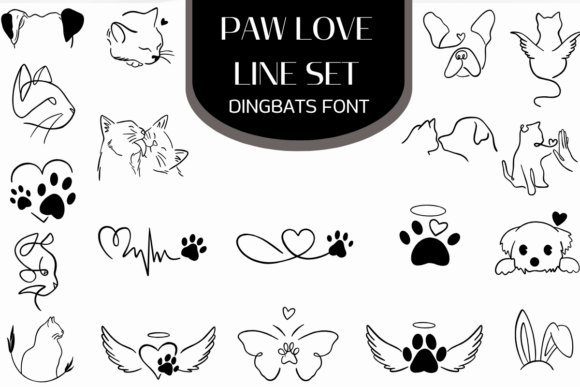
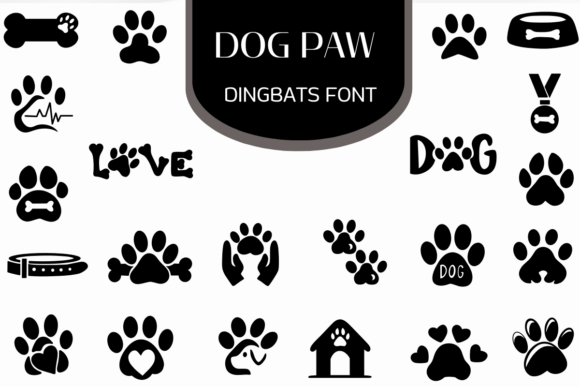
At its core, a dingbats font is a typeface where each character is replaced by a symbol, illustration, or decorative element rather than a traditional letter or number. Dog Paw specifically features charming, hand-drawn style paw prints and related icons. Its visual appeal lies in its simplicity and universal recognition. A paw print is a symbol understood across cultures—it evokes companionship, playfulness, nature, and care. The design style is approachable, avoiding overly complex or abstract lines, which makes it incredibly versatile. It functions beautifully as a display font for accents, borders, or standalone graphics, adding a touch of whimsy without overwhelming a layout. Its character is distinctly playful, making it ideal for projects aimed at families, pet lovers, outdoor enthusiasts, or anyone wanting to convey a sense of friendly warmth.
Practical Applications Across Creative and Commercial Projects
The true value of any creative font is measured by its utility. Dog Paw shines in applications where a thematic touch can enhance the message and engage the audience. Consider its use in brand identity for pet-related businesses. A dog daycare, a veterinary clinic, or an organic pet food brand could integrate these paw motifs into their logo design, creating an immediate, non-verbal connection with their target market. The icons work well as simple logos, favicon elements, or social media profile accents.
Beyond logos, this typeface is a powerful asset for packaging design. Imagine a bag of artisanal dog treats with a repeating pattern of subtle paw prints along the bottom edge, or a sticker seal for a pet product box. It adds a layer of detail that communicates care and thoughtfulness. For editorial design and blogs focused on animals, travel, or lifestyle, the font can be used for decorative drop caps, section dividers, or pull quotes, breaking up text and adding visual interest that keeps readers engaged.
For marketing assets, the applications are vast. Think about:
- Social media graphics: Use a single paw icon as a bullet point in a list post, or create a patterned background for Instagram stories.
- Print materials: Incorporate the font into flyers for adoption events, menus for pet-friendly cafes, or loyalty cards for grooming services.
- Merchandise: A simple paw print can become the centerpiece of a t-shirt design, a tote bag, or a coffee mug, especially for fundraisers or brand merchandise.
- Invitations and stationery: Perfect for puppy shower invitations, pet birthday party kits, or thank you cards for animal charity donors.
It even finds a home in digital products, such as printable planners for pet owners or decorative elements for website builders. The key is recognizing that Dog Paw isn't for setting body text; it's a premium font for strategic accents that elevate the overall design narrative.
Enhancing Your Design Strategy with Thematic Typography
Choosing a font like this is a strategic decision in visual communication. It directly contributes to several key aspects of a successful project:
Visual Consistency and Brand Recognition: By using a consistent thematic element across all touchpoints—from your website header to your email signature to your packaging—you create a cohesive brand experience. Customers begin to associate the friendly paw motif with your business, strengthening recognition and recall.
Audience Engagement: A playful, thematic font signals that you understand and speak to your audience's interests. For a pet owner, seeing those paw prints creates an instant, positive emotional response. It makes your content feel more relatable and less corporate, which can significantly boost engagement, especially on social media platforms where personality is currency.
Professional Presentation: When used judiciously, a dingbats font demonstrates attention to detail. It shows that you’ve gone beyond a basic, default typeface to find a design element that truly fits the project's theme. This elevates the perceived quality and professionalism of your work, whether it’s a local community newsletter or a commercial product launch.
Key Considerations for Effective Implementation
Integrating any new design asset effectively requires a thoughtful approach. Here’s some practical advice for working with Dog Paw or similar thematic fonts:
- Font Pairing is Crucial: Since Dog Paw is a specialized display font, it must be paired with a highly readable primary typeface. For most projects, a clean sans serif font for body text or a simple serif font for more traditional designs works best. The goal is contrast—the playful motifs should complement, not compete with, your main message.
- Prioritize Readability: Never sacrifice legibility for style. Use the paw icons for decorative elements where text isn’t meant to be read, such as borders, background patterns, or standalone symbols. Avoid using it for important navigation labels, lengthy headings, or body copy.
- Test in Context: Before finalizing a design, see how the font elements look at various sizes and on different backgrounds. A small paw icon on a busy photo might get lost, while a large one on a clean background becomes a bold statement piece.
- Review All Included Styles: Many premium fonts come with multiple styles or weights. Explore what’s included in the Dog Paw package—there might be variations in paw print styles, additional animal-related icons, or outline versus filled versions that offer more flexibility.
- Understand Licensing: This is a critical, often overlooked step. Always verify the font’s license for your intended use. A commercial font license is required for projects that generate revenue, such as logos for clients, merchandise for sale, or paid digital products. Personal licenses typically cover only non-commercial, personal projects. Respecting the license protects you legally and supports the creators who develop these valuable tools.
In the end, Dog Paw is more than just a collection of symbols. It’s a versatile tool for adding heart and personality to your work. By thoughtfully integrating it into your typography toolkit, you can create designs that not only look polished but also resonate on a personal level with your audience, turning simple projects into memorable experiences.