Musical Notes: A Typeface That Sings for Your Brand
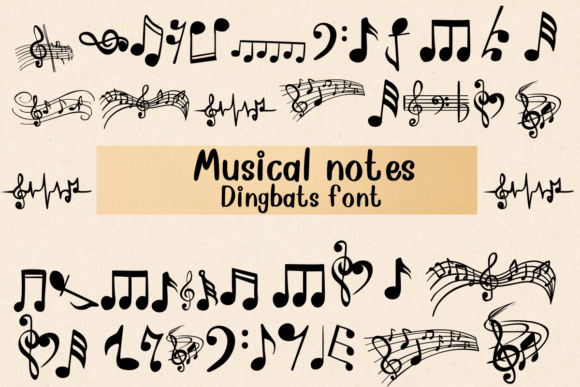
Imagine opening a design file and seeing your text transformed into a whimsical score of treble clefs, quarter notes, and rests. That is the immediate visual impact of the Musical Notes typeface. It is not just a font; it is a thematic element that instantly replaces standard alphanumeric characters with music-related symbols. For designers, content creators, and small business owners, this offers a unique shortcut to injecting personality into a project. Instead of searching for separate icon sets to sprinkle into your margins, the typography itself does the heavy lifting. Whether you are designing a flyer for a local jazz night, creating a logo for a music teacher, or simply want to add a creative flourish to a personal blog, this font provides a distinct visual language that speaks volumes before the reader even processes the meaning of the words.
More Than Just Symbols: The Visual Appeal
What makes a display font like this work isn't just novelty—it’s the rhythm it creates on the page. Standard fonts are designed for legibility first, but Musical Notes is designed for atmosphere. The characters are constructed to mimic the flow of a musical composition. When you type a sentence, you aren't just spelling out words; you are creating a visual beat. This makes it an exceptional creative font for projects where mood matters more than strict readability. The shapes of the notes and clefs provide a consistent weight and style that can unify a design layout. It fits perfectly into the category of modern typography that prioritizes emotional connection. If your brand identity relies on creativity, artistry, or entertainment, using a typeface that visually represents sound can bridge the gap between your message and your audience's imagination.
Practical Applications for Designers and Brands
The versatility of a thematic typeface lies in how you apply it. It is rarely meant for body copy, but as a display font, it shines in specific scenarios. Here is how different professionals can leverage this asset:
- Logo Design: For music schools, bands, instrument repair shops, or podcasters, this font can serve as the primary wordmark or a secondary descriptor. It immediately signals the industry without needing a complex icon.
- Packaging Design: If you are selling artisanal goods with a "soulful" or "harmonious" vibe, using Musical Notes for the product name can add a layer of sophistication and whimsy to the label.
- Social Media Graphics: Attention spans are short on Instagram and TikTok. A bold, music-themed header image created with this font can stop the scroll and establish the mood for a playlist or event announcement.
- Invitations and Events: From wedding invitations with a live band to festival posters, the typeface sets the stage. It works wonderfully for headers on tickets and event badges.
- Merchandise: T-shirts, tote bags, and mugs often rely on typography. A witty phrase written in Musical Notes turns a standard piece of merchandise into a statement piece for music lovers.
- Editorial Layouts: In magazine design or blog headers, using this font for pull quotes or section dividers can break up the monotony of standard serif or sans serif blocks.
Pairing and Readability: A Designer's Strategy
Because Musical Notes is a highly stylized typeface, it requires a grounding partner. You cannot pair it with another decorative font, or the design will become chaotic. The best approach is contrast. If you use Musical Notes for your main headline, pair it with a clean, neutral sans serif font for the subheadings and body text. This ensures that your message remains clear while the artistic flair stays in the spotlight.
Think of it like a lead singer and a rhythm section. The Musical Notes font is the vocalist—expressive and attention-grabbing. The sans serif is the bass and drums—steady, reliable, and keeping the structure intact. For example, pairing the musical symbols with a geometric sans serif like Montserrat or a classic serif like Garamond can create a balanced hierarchy. This is crucial for brand recognition. You want your audience to associate the musical symbols with your specific aesthetic, supported by a legible font that actually communicates the necessary information.
Technical Considerations and Commercial Use
Before integrating this asset into your workflow, a few practical checks are necessary. First, always review the character map. Since symbols replace letters, you need to ensure that the specific symbols provided match your creative needs. Does it include numbers? Does it have punctuation? Knowing this upfront prevents frustration during the design phase.
Second, consider the context of your project. If you are designing a website, remember that custom display fonts can impact load times if not optimized correctly, though this is less of an issue with modern web fonts. However, for web design, ensure the font is embedded correctly so it renders for all visitors, not just those who have the file installed locally.
Third, and perhaps most importantly, is licensing. If you are a freelancer or a business owner, you must ensure you have a commercial font license. Many "free" fonts found online are only licensed for personal use. Using a premium font or securing the correct license for a free one protects you legally and often ensures you receive higher-quality vector files and support. This is a key part of professional design assets management.
Final Thoughts on Creative Expression
Typography is one of the most powerful tools in visual communication. It dictates how a message feels, not just what it says. Musical Notes is a prime example of how a font can carry a narrative. It is not suitable for every project—you wouldn't use it for a legal contract or a medical report—but for the right niche, it is invaluable. It allows small business owners and creative entrepreneurs to communicate a passion for music instantly. By using this font strategically for headers, logos, and specific graphic elements, you can create a cohesive and engaging visual identity that resonates with your audience. It turns ordinary text into a visual performance, helping your brand stand out in a crowded marketplace.